Whether you're stretching your rifle to 1,000 yards on the range, competing in a Precision Rifle match, or preparing for an elk hunt in the mountains, understanding density altitude can make the difference between a perfect impact and a frustrating miss.
Many shooters spend countless hours developing handloads, confirming muzzle velocity, and fine-tuning their shooting skill, but overlook one of the biggest environmental factors affecting bullet flight: the air itself. In this article we will explore what density altitude is, why it matters for long range shooting and the tools you can use to obtain the right information that directly affects your long range shooting experience.
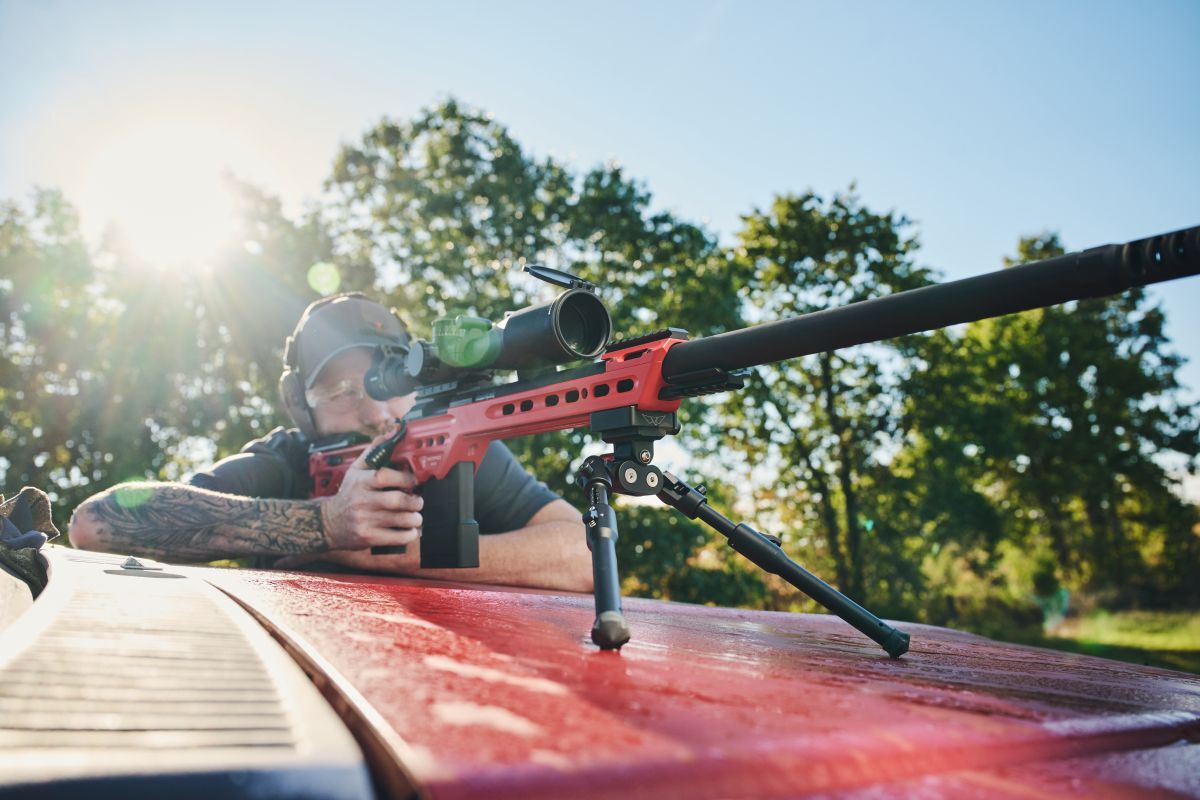
What Is Density Altitude?
Simply put, density altitude (DA) is a measurement of how dense the air is. It combines several environmental factors into one easy-to-understand number, including:
- Elevation
- Air temperature
- Barometric pressure
- Humidity
Rather than looking at each variable individually, density altitude tells you how your bullet is most likely to behave based on the overall density of the air. As density altitude increases, the air becomes less dense. Less dense air creates less drag on the bullet, allowing it to retain velocity longer and experience less bullet drop. Conversely, lower density altitude means denser air, which increases drag, slows the bullet more quickly, and results in greater bullet drop.
Why Does Density Altitude Matter?
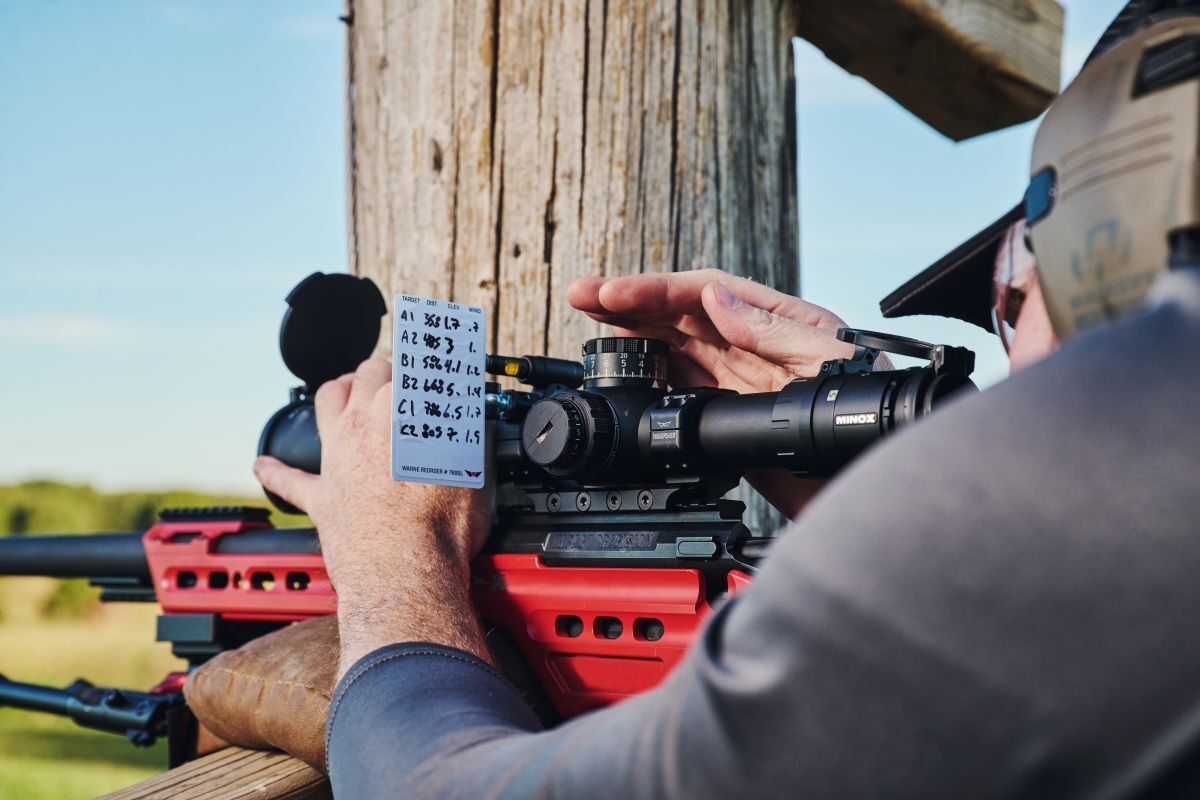
Every ballistic solution is based on the conditions in which your rifle was dialed in. If you developed your data card or dope (data on previous engagements) book on a cool spring morning near sea level and later shoot in the mountains on a hot September afternoon, your bullet's trajectory will change, even if your rifle and ammunition remain exactly the same.
At shorter hunting distances, these differences may only amount to fractions of an inch. However, as distances increase, the effects become much more noticeable. Understanding density altitude allows you to make more accurate elevation adjustments before taking the shot.
How Density Altitude Affects Long-Range Shooting
As a bullet travels downrange, it continually slows due to aerodynamic drag. The denser the air, the greater that drag becomes. More drag means the bullet loses velocity more quickly, spends more time in flight, and experiences greater bullet drop and wind drift.
When the air is less dense—such as at higher elevations or on hot, dry days—the bullet encounters less resistance. It retains velocity longer, drops less, and reaches the target sooner.
At 100 or 200 yards, even significant changes in density altitude may only shift the point of impact by a fraction of an inch, well within the acceptable accuracy of most hunting rifles and recreational shooting. That's why the average deer hunter who rarely shoots beyond 200 or 300 yards generally doesn't need to worry about calculating density altitude before heading into the field.
However, as distances extend to 500, 800, or even 1,000 yards, those small atmospheric differences compound over the bullet's flight. What was once an insignificant change at 100 yards can become several inches or even more than a foot at extended ranges. At those distances, the difference between a hit and a miss can simply be the density of the air.
This is why long-range shooters place so much emphasis on accurate environmental data.
You Don't Need to Constantly Update Density Altitude
One common misconception is that density altitude must be constantly monitored throughout the day. In reality, density altitude changes gradually under most conditions, and it generally takes significant changes in elevation, temperature, or weather systems before those changes noticeably affect your point of impact.
For most recreational long-range shooters, updating density altitude once before a range session is more than sufficient. Unless a major weather front moves through or temperatures swing dramatically, your ballistic solution is unlikely to change enough to justify continual updates.
Competitive shooters follow a similar approach.
In Precision Rifle matches, some shooters may update their density altitude as the day progresses but many competitors record the density altitude at the beginning of the day and use that value throughout the match. If a large weather change occurs, such as a significant temperature increase, a storm moving in, or a substantial pressure change, they may update it once more during the afternoon. Beyond that, they're focused on reading wind, building stable positions, and executing quality shots rather than constantly chasing minor environmental changes.
The same principle applies while hunting.
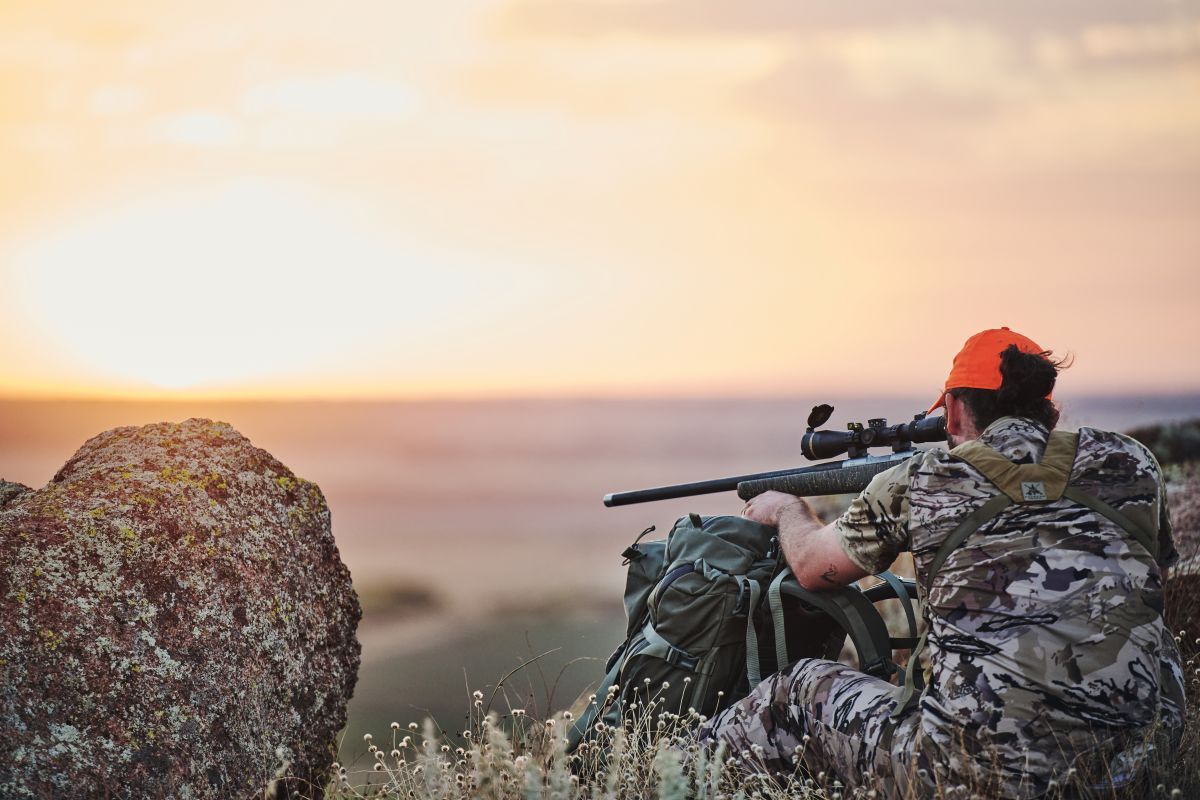
Although it's beneficial to know the approximate density altitude where you'll be hunting, the goal is to prepare before the hunt begins. Many hunters simply determine the average density altitude for the area they'll be hunting and use that value in their ballistic calculator for the duration of the trip.
When the moment of truth arrives, the last thing you want is to miss an opportunity because you're scrolling through weather menus or recalculating atmospheric data while an animal walks away. Good preparation means having confidence in your ballistic solution before you leave camp. Once you're in the field, your attention should be on making an ethical shot, not on chasing small changes in environmental conditions.
While it is true that some hunters may see notable changes in elevation or temprature through a single day of hunitng, at typical hunting ranges, it is not likely to affect the shot enough to warrant updating any ballistic data. Ultimately, density altitude is another tool to improve accuracy, not another distraction. Learn how it affects your rifle, incorporate it into your ballistic data, and use it wisely without overcomplicating your shooting routine.
How to Calculate Density Altitude
The good news is that you don't need to perform complex calculations to take advantage of density altitude. While the math behind it combines air pressure, temperature, humidity, and elevation, today's shooters have several quick and reliable ways to determine density altitude in the field.
Density Altitude Charts
One of the oldest and simplest methods is using a density altitude chart. These reference charts allow shooters to estimate density altitude by comparing current temperature and altitude or barometric pressure. Then you check against the chart which can be divided in bands or by color.
Ballistic Apps
Most modern ballistic calculators allow shooters to enter environmental conditions manually or import weather data directly from a connected weather meter. Once updated, the application automatically recalculates bullet drop, wind drift, and other ballistic solutions based on the current density altitude. Some may even use your position and predicted weather forecasts to estimate density altitude for you.
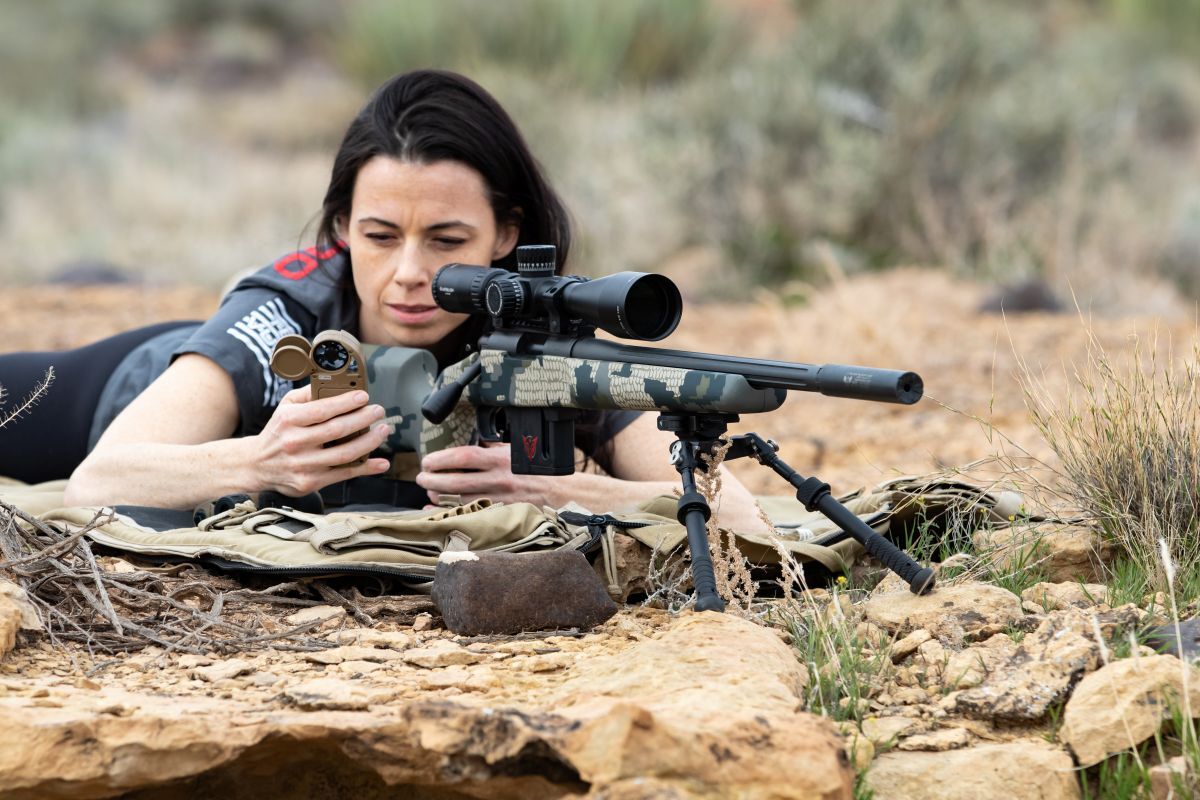
Handheld Weather Meters
For shooters looking for the most accurate environmental information, handheld weather meters have become the industry standard.
Many premium weather meters include integrated ballistic software, allowing shooters to receive firing solutions without needing a separate phone or data book. Others can wirelessly communicate with smartphone apps, rangefinders, or compatible optics, creating an efficient workflow for both competition and long-range hunting.
Final Thoughts
Density altitude may sound like an advanced concept reserved for elite competitors, but it's one of the most useful pieces of environmental information every long range shooter should be familiar with.
By learning how changing atmospheric conditions affect your bullet, you'll make better elevation corrections, build more reliable ballistic data, and increase your confidence whether you're ringing steel, competing against the clock, or making the shot of a lifetime in the backcountry.
The atmosphere is always changing. Understanding density altitude helps ensure your bullet keeps up.