Mounting a scope might seem straightforward, but small mistakes during installation can lead to poor eye relief, inconsistent accuracy, damaged equipment, or difficulty maintaining zero. A properly mounted optic provides a solid foundation for getting the most from your rifle and scope.
1. Choosing the Wrong Mount Interface
Not all scope mounts and bases use the same interface. Before selecting a mount, make sure it is designed to properly interface with the base or rail on your firearm.
Common interfaces include:
- Picatinny
- Weaver-style
- Windage-adjustable
- Receiver dovetail
- Proprietary mounting systems, such as Ruger, Tikka, and CZ
Using the wrong interface can prevent proper installation or create an insecure mounting system. Always confirm that the mount and base are compatible before purchasing or installing your optic.
Warne offers several model-specific ring styles, including options for Tikka, CZ, and Ruger proprietary mounting systems, along with commonly used base styles such as Weaver-style, Picatinny, and rimfire dovetails.
The same can be said when selecting a base for your rifle. Knowing the model of your rifle is a great starting point, but you may also need to know what action length you have. The best place to find this information is your rifle's owner's manual. For more information, read What Is Action Length and Why Does It Matter?
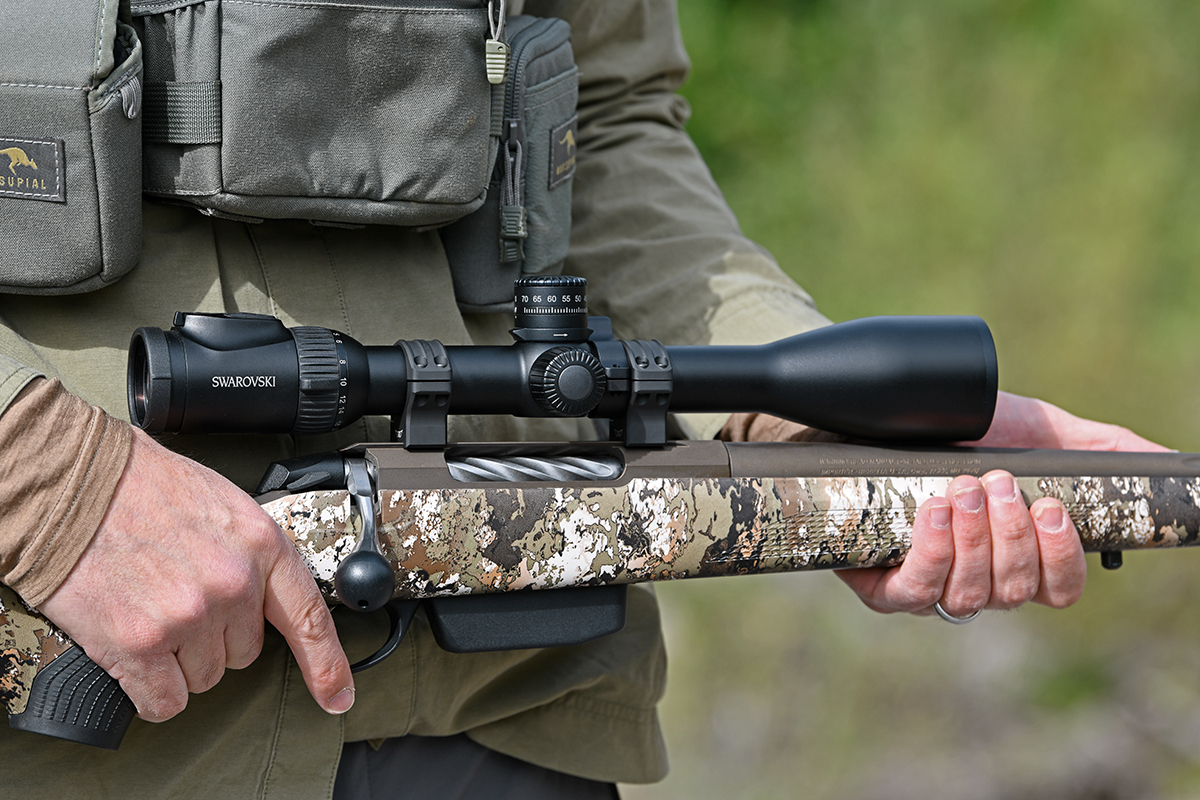
2. Choosing the Wrong Ring Height
Selecting rings that are too high or too low can affect scope clearance, cheek weld, and overall shooting position. Choose a ring height that provides adequate clearance while keeping the optic as close to the rifle as practical.
If you're unsure what ring height you need, we recommend checking out our Scope Ring Height Calculator.
3. Not Checking Scope-to-Rifle Clearance
Before tightening the mount, make sure the scope has adequate clearance from the barrel, receiver, handguard, and other components. This is especially important with large-objective scopes and modern sporting rifles.
In some cases, the math may indicate that you have adequate scope clearance, but other components, such as a large rear sight, may still be in the way. Sometimes, you won't know exactly what will clear until you try the setup, but make your best educated guess based on the available information and resources.
4. Setting the Wrong Eye Relief
Eye relief is the distance between your eye and the scope that allows you to achieve a full sight picture. If your eye relief is incorrect, you'll certainly notice it.
Position the scope based on your natural shooting position rather than simply centering it on the rifle. Proper eye relief helps provide a consistent sight picture and comfortable shooting position.
To learn more about eye relief, read Proper Eye Relief on a Rifle Scope.
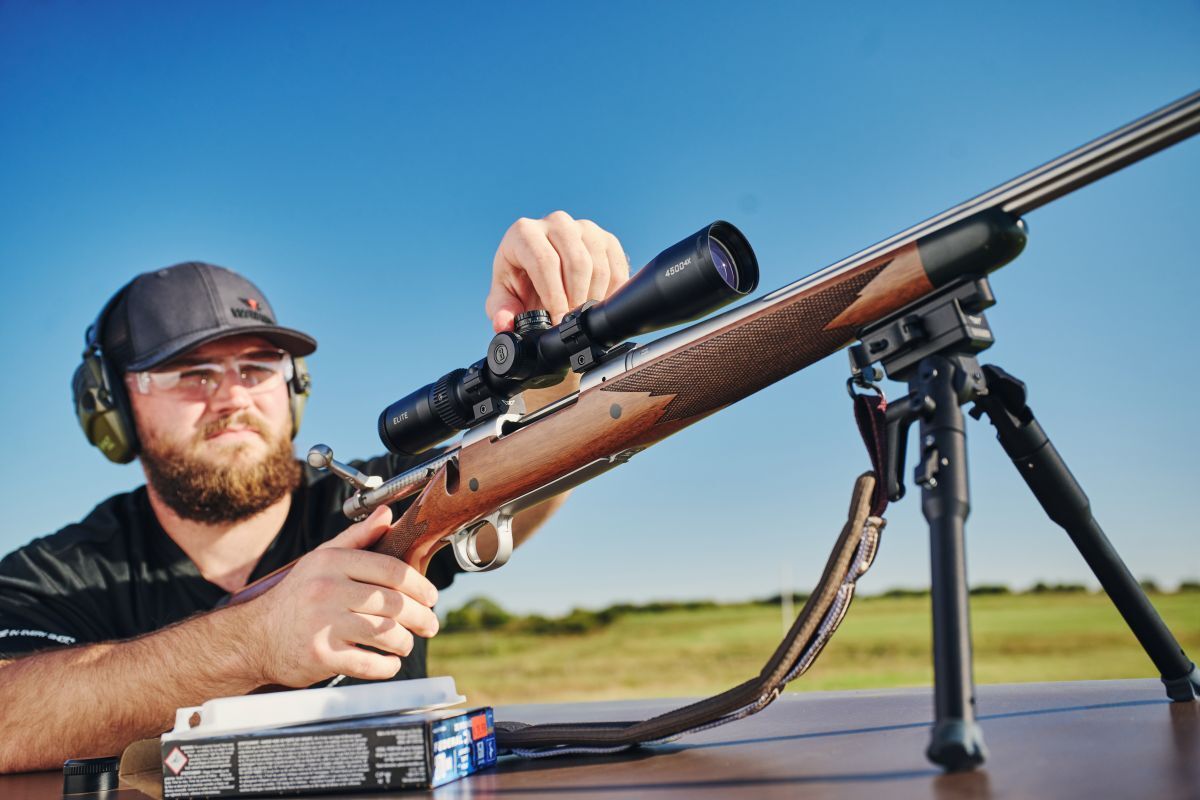
5. Failing to Level the Scope
A scope that isn't properly leveled can create problems when dialing elevation and windage, particularly at longer distances.
Remember that when you're looking at the reticle while shouldering the rifle, it may appear to be level, but it can actually be canted due to how the rifle fits your body and how your brain perceives what you're seeing.
Take the time to properly level the rifle and optic before tightening everything down.
6. Over-Torquing the Ring Screws
More torque doesn't necessarily mean a more secure scope. Over-tightening can damage the scope tube, screws, or threads.
Always follow the scope and mount manufacturer's recommended torque specifications and use an appropriate torque wrench.
7. Under-Torquing the Mount
The opposite problem can be just as troublesome. Insufficient torque can allow the mount or optic to shift under recoil, potentially affecting zero.
Follow the manufacturer's specifications rather than relying on feel.

8. Improperly Seating the Mount
A mount that isn't properly seated can not only cause movement, but it can also limit the overall strength of the mounting system.
When mounting rings on a Weaver-style base or Picatinny rail, Warne recommends pushing both rings forward toward the muzzle to seat the recoil keys before tightening them. This ensures that both recoil keys are properly engaged and working to keep everything in place.
9. Using the Wrong Mount for the Application
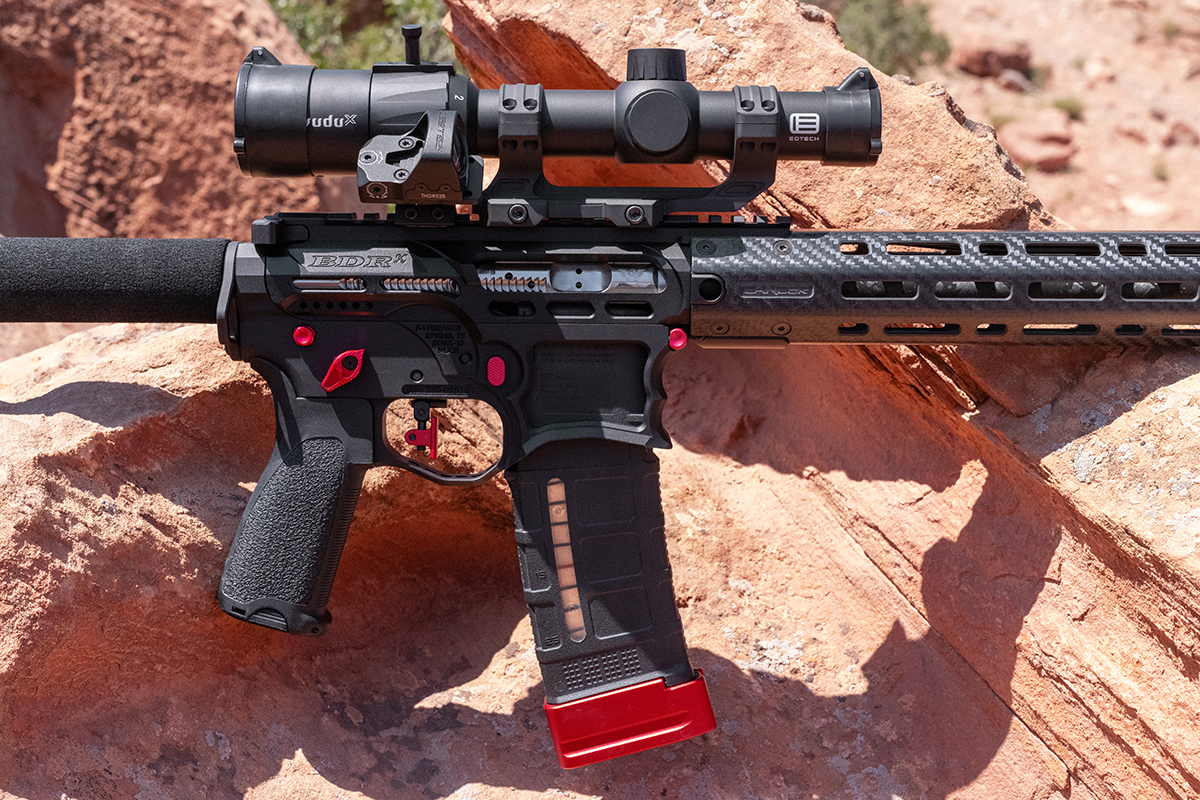
A lightweight hunting rifle, MSR with an LPVO, precision rifle, and shotgun with a red dot can all require different mounting solutions. Consider the firearm, optic, intended use, and shooting conditions when selecting a mount.
For example, Warne mounts intended for MSRs, such as the XSKEL series, are built to a specific height and feature a forward cantilever for a reason. On a flattop MSR like an AR-15, the scope needs enough height for the shooter to comfortably see through it. This height on a typical bolt-action rifle would be considered ultra-high.
The forward cantilever provides additional space to achieve proper eye relief when working with the limited rail length on the receiver.
While the XSKEL can be used on a typical bolt-action rifle, it is not an ideal fit, and there may be better options available for that application.
10. Skipping the Final Inspection and Zero Check
After installation, inspect the entire setup before heading into the field or to the range. Check the mount, screws, eye relief, clearance, and scope level. Then confirm your zero.
People can be forgetful, and it is entirely possible that you simply snugged those mount screws before moving on to another step and never fully torqued them. Always double-check your work before heading to the range or into the field.
Conclusion
A quality scope and rifle can only perform as well as the system connecting them. Taking the time to choose the right mounting interface, select the proper ring height, establish eye relief, level your optic, and properly torque your hardware can help ensure a secure and reliable setup.
Whether you're building a hunting rifle, setting up an MSR, or preparing a precision rifle for the range, getting the details right during installation can make a difference when it matters most. Start with the right mount, install it correctly, and build your setup with confidence. For a comprehensive guide to scope mounting, read How to Mount a Riflescope.